
Designing with What Already Exists: Redefining Resource Mapping
One of our takeaways from the Reclaiming Value: Sacred Valley Design Immersion was a fundamental shift in how we view constraints. In modern product design, our first reaction to a problem is often: "What brand-new tool, feature, or platform can we build?"
But true sustainable innovation asks a different question: "What is already right in front of us, and how can we look deeper to unlock its hidden value?"
During our time in Peru, we witnessed two incredible examples of site partners who built extraordinary value entirely out of existing environmental and cultural resources:
Destilería Andina: Creating Local Value From the Ground Up
The team at Destilería Andina didn't wait for perfect external conditions. Haresh Bhojwani explained that the local area faced challenges with its public perception and image. Instead of looking outward, they developed their spirits and recipes completely around local heirloom sugarcane and native botanicals that were already thriving in the valley. By creating a premium, culturally rich product from existing elements, they didn't just build a successful brand; they actively elevated the economic opportunity and value of their entire local community.
MIL Centro: Unlocking New Possibilities in Plain Sight
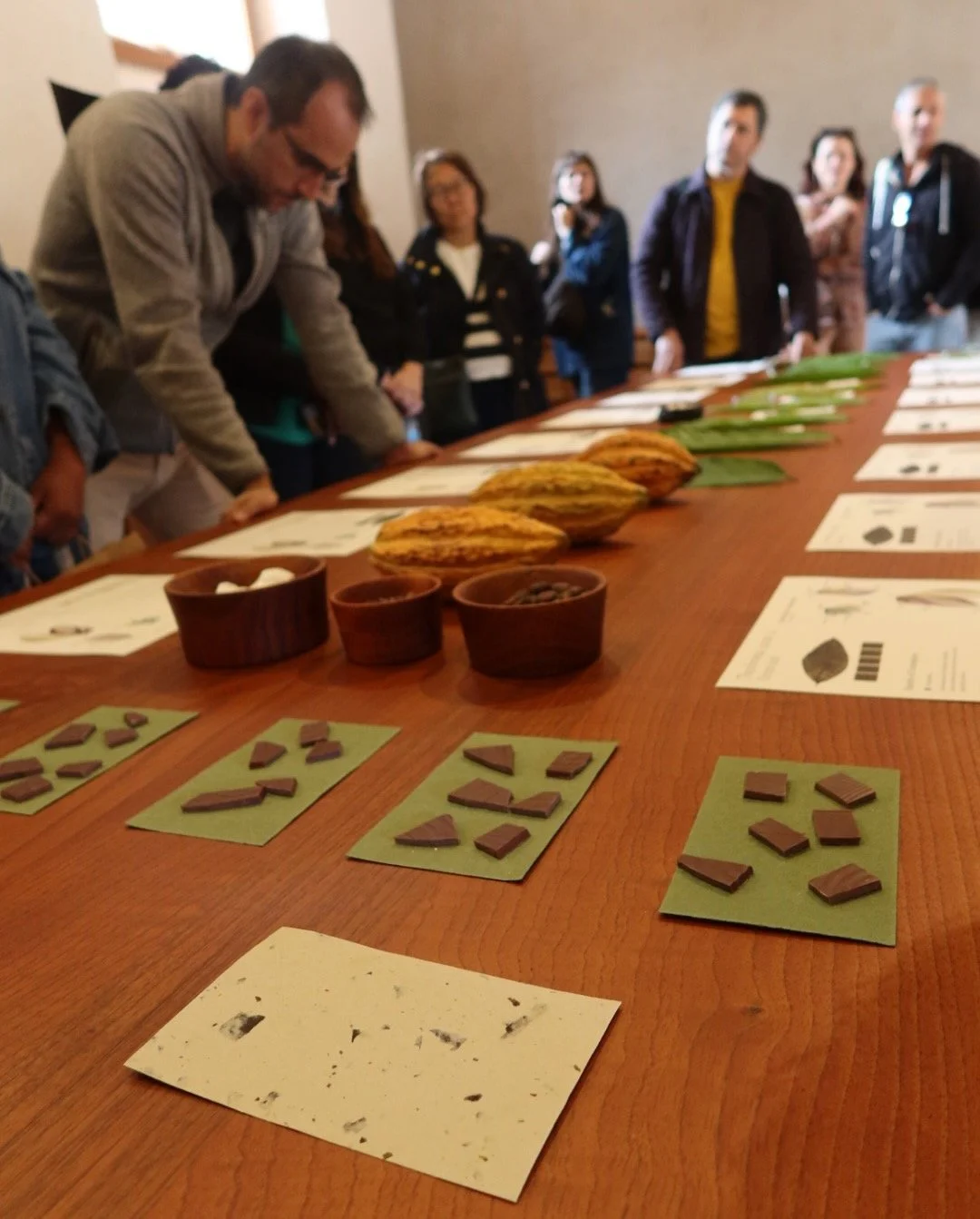
High above the terraces of Moray, MIL Centro and Mater Iniciativa operates in continuous dialogue with its immediate environment. A standout moment for our team was learning about their green leaf chocolate bar made with native coca leaves. Instead of sourcing entirely foreign components, they took an abundant, deeply rooted local resource. They spent a year testing, refining, and iterating on the idea to create something entirely new, highly profitable, and absolutely delicious. It’s a brilliant example of turning an existing environmental feature into a new value stream.
At Design Seedling, we are actively bringing this "resource mapping" approach into our strategic design frameworks.
When we take on complex, high-stakes product ecosystems, our first step shouldn't be adding clutter or inventing new features from scratch. Instead, we are looking for opportunities in what already exists: optimizing underutilized data structures, mapping hidden strengths in existing user behaviors, and expanding the utility of tools our clients already possess.
Innovation isn't always about chasing the next new idea, sometimes it’s about having the humility to look at what's already there and the strategic skill to turn it into something unfragile and impactful.